
FB*PROPAK at the Forefront of Beverage Packaging Innovation
/Beverage manufacturers face increasing pressure to improve production efficiency, accommodate new packaging formats and get more from their equipment investments. Meeting these demands requires a broader view of production, where individual machines, automation and end-of-line systems work together to support the performance of the entire operation. FB*PROPAK works at the intersection of equipment technology and practical production requirements, drawing on its experience with beverage manufacturers and relationships with international technology suppliers to identify solutions relevant to the Australian and New Zealand markets.
This focus will continue at the upcoming CibusTec and SIMEI exhibitions in Italy, where MD Paul Baggio will participate as part of a consortium representing Australia and New Zealand. The visit will provide an opportunity to engage directly with equipment manufacturers, explore emerging technologies and exchange perspectives on the challenges shaping beverage production.
Understanding What Beverage Manufacturers Really Need
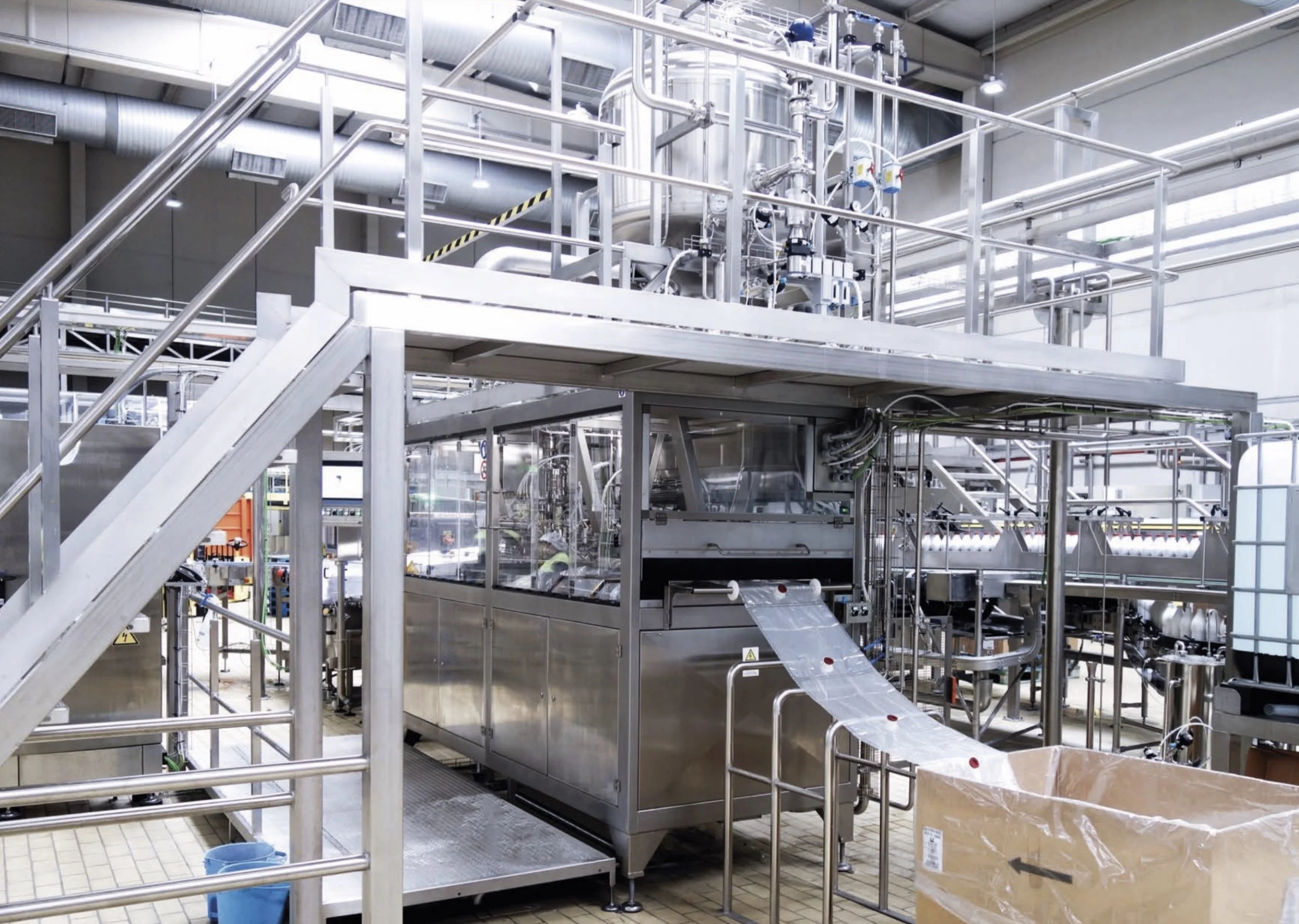
A machine's rated output tells only part of the story. What matters commercially is how consistently the equipment operates, how effectively it integrates with upstream and downstream processes, and how well it adapts as production requirements change. A high-speed filling line, for example, can only deliver its full potential if labelling, cartoning, case packing and palletising can maintain the required throughput. If one stage becomes a bottleneck, the capacity of the entire operation is compromised.
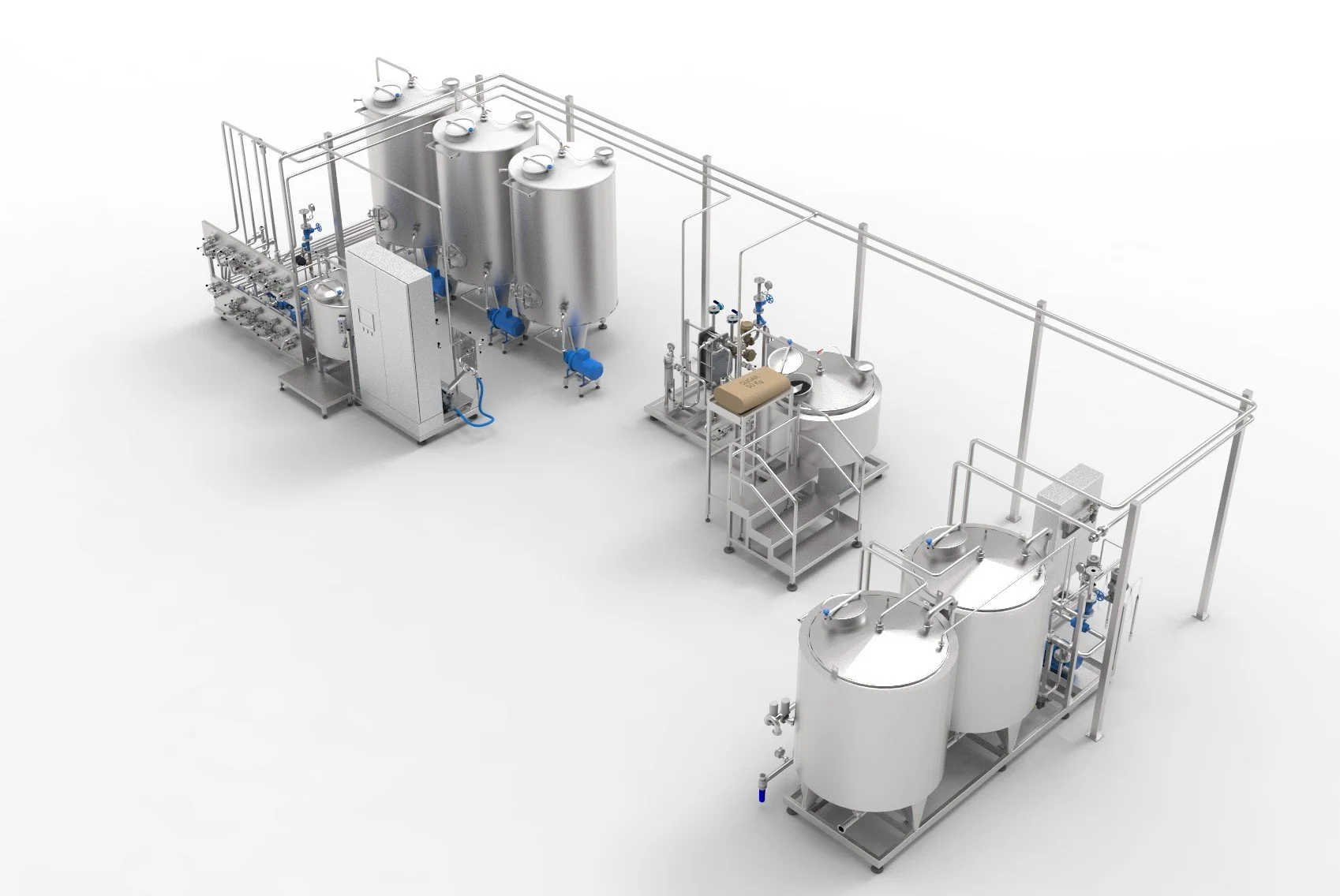
This is why equipment selection requires a broader perspective, with processing, filling, primary packaging, secondary packaging and end-of-line automation considered as connected elements of a production system. Paul Baggio's work with beverage manufacturers and equipment technology partners provides an important perspective on these challenges. Understanding the requirements of individual producers is only part of the process; equally important is knowing what is becoming possible as equipment design, automation and production control continue to advance.
End-of-Line Automation Moves into Focus
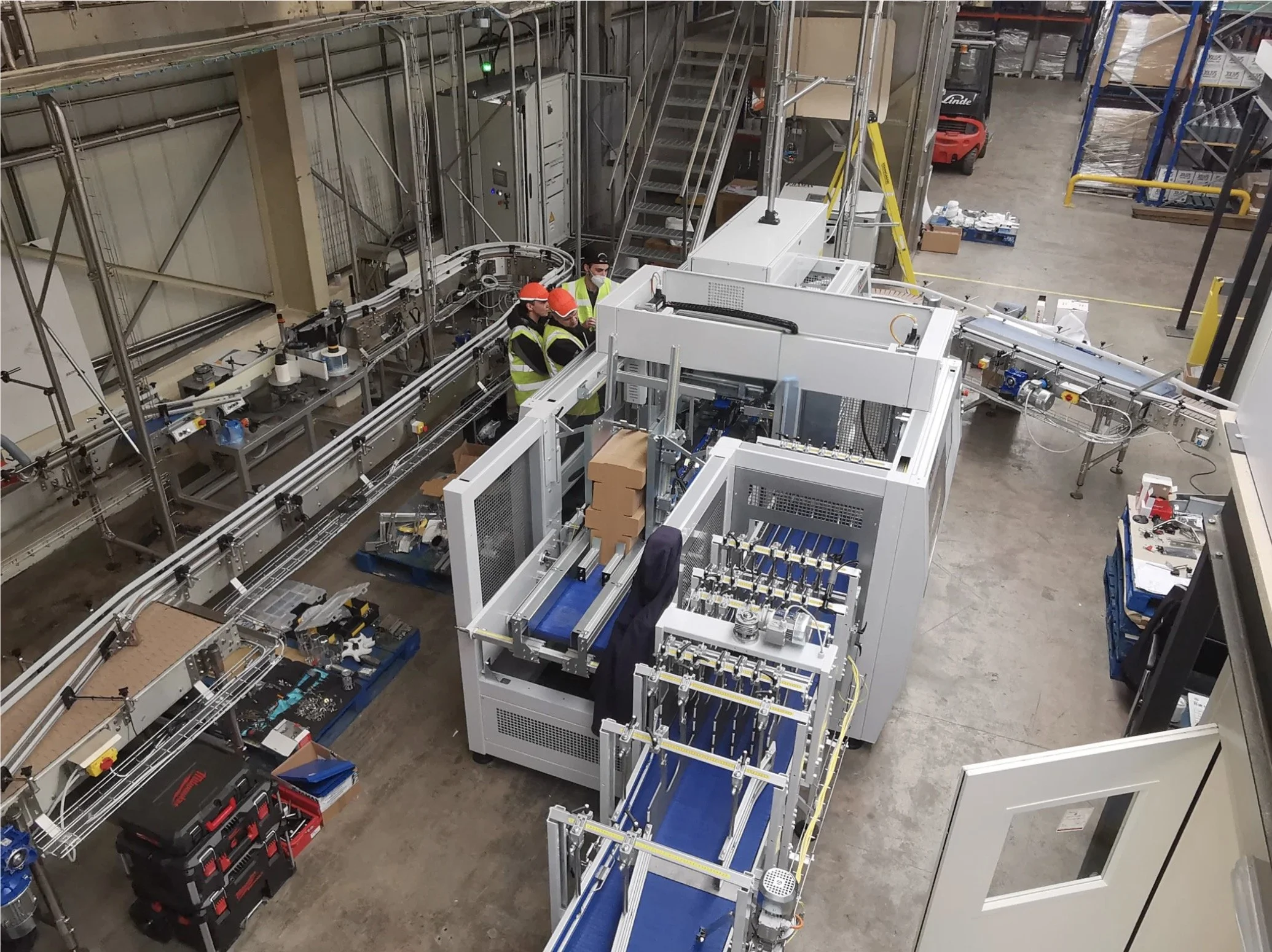
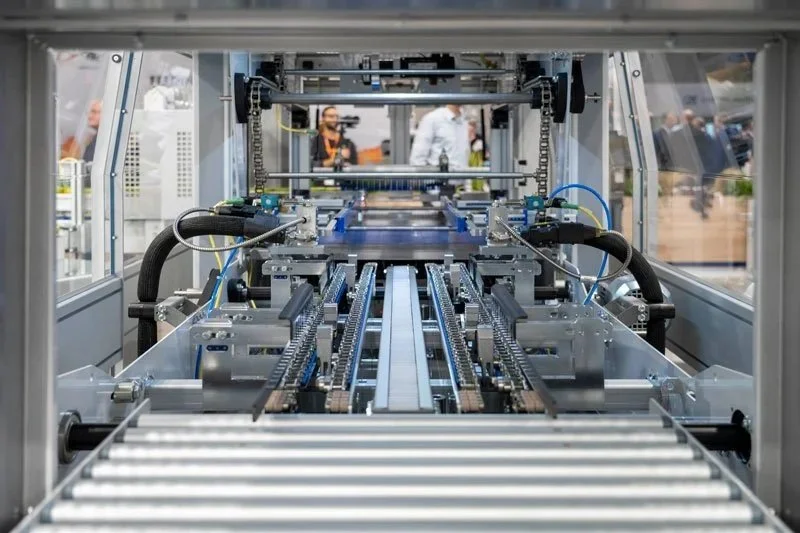
Filling and primary packaging equipment naturally attract considerable attention when manufacturers invest in production capacity. However, the equipment that follows can have an equally important influence on overall performance. Cartoners, case packers, tray packers, conveyors and palletising systems all contribute to throughput, product handling, labour requirements and production consistency. For manufacturers still relying on manual handling at critical points, targeted automation can offer a practical route to improved efficiency without requiring a complete production line replacement.
The opportunities extend beyond reducing repetitive labour. Automated end-of-line systems can improve packaging consistency, reduce handling errors, help maintain a steady production rate and make it easier to manage different pack configurations. For operations producing multiple SKUs or moving between bottles, cans, multipacks and different secondary packaging formats, flexibility is just as important as speed. The challenge is to identify where automation will deliver the greatest commercial benefit and how it can be integrated with existing equipment.
Flexibility Is Becoming a Competitive Advantage
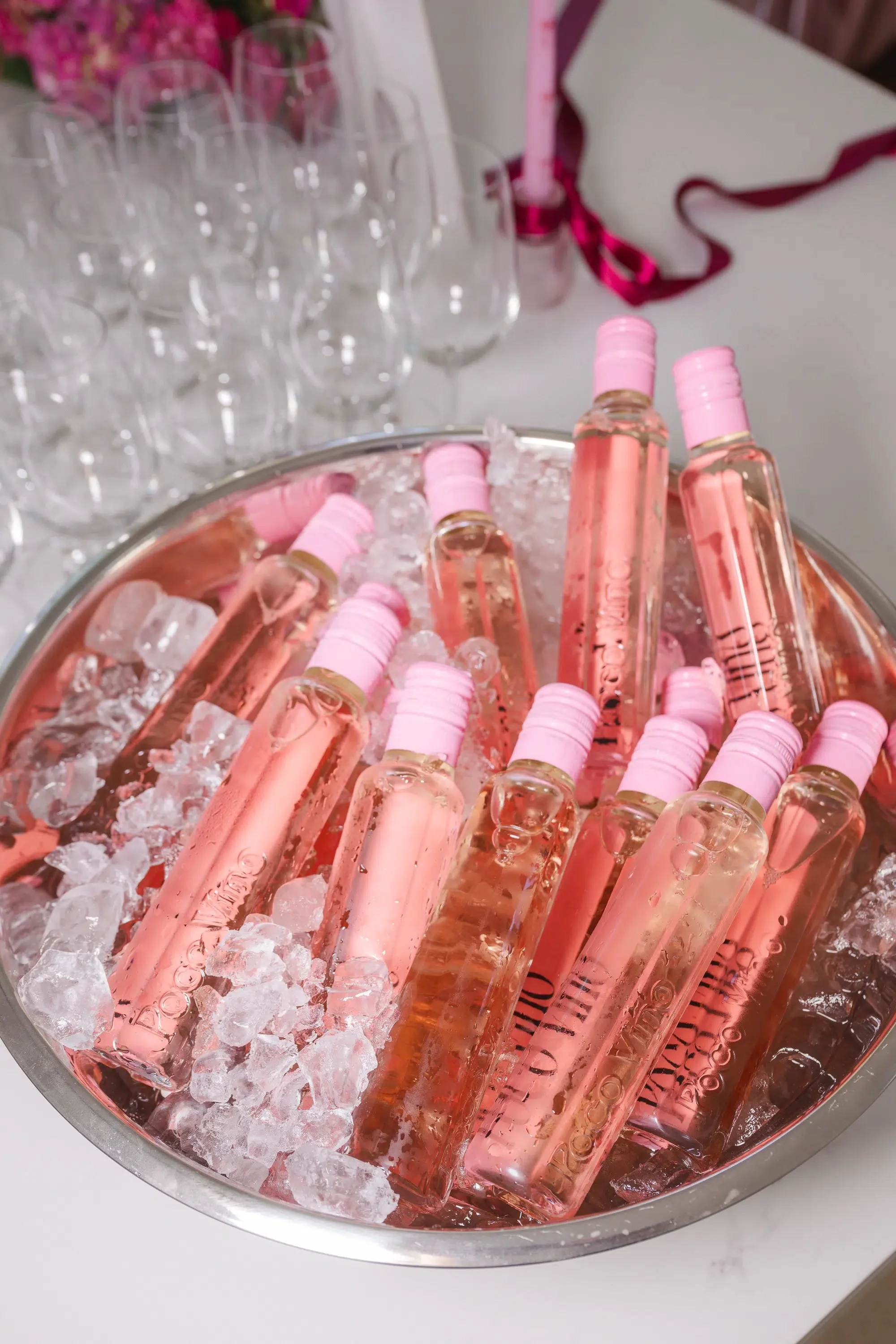
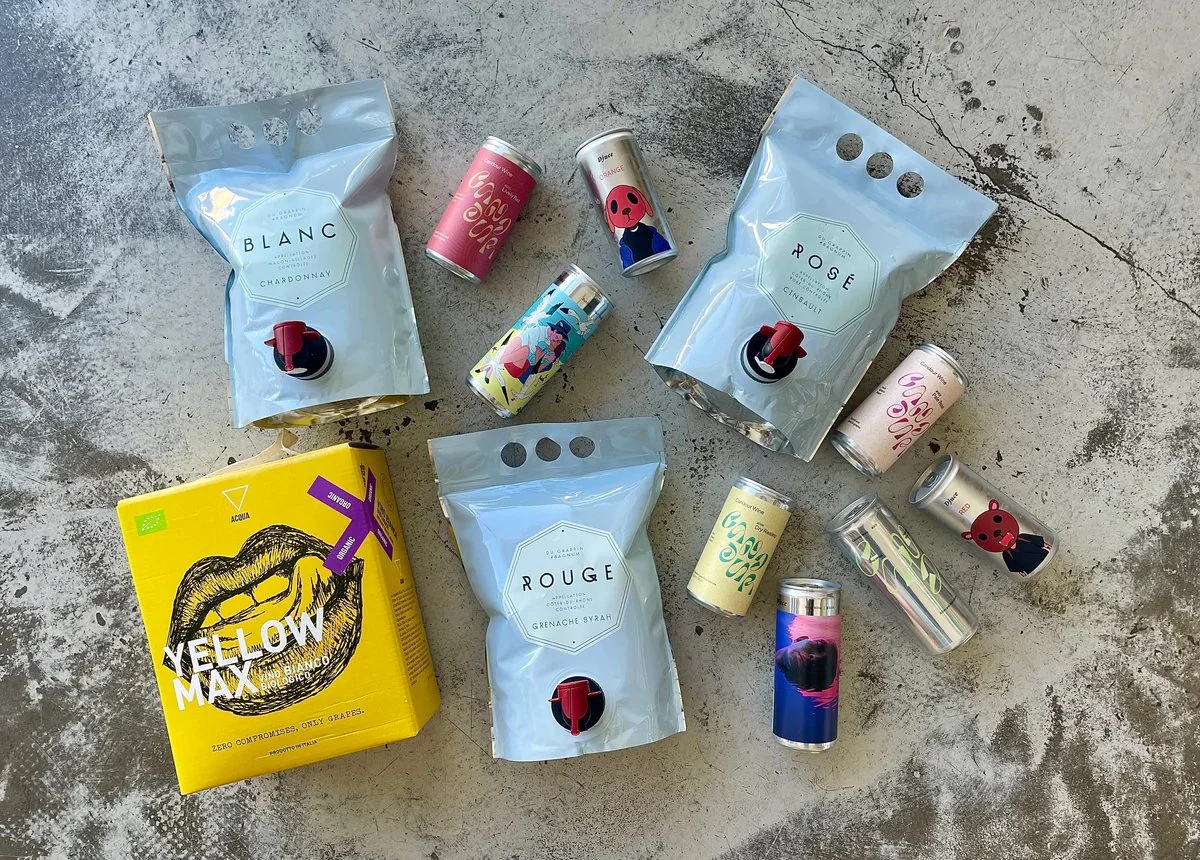
The expansion of cans, pouches, bag-in-box, bagnums and single-serve products is changing the requirements placed on beverage production equipment. Wine provides a particularly useful example. Products such as Poco Vino demonstrate how established beverage categories can extend into new consumption occasions and packaging formats, while similar developments are evident across ready-to-drink beverages, functional drinks and other emerging categories.
These changes have practical implications for production. Different formats can require different filling technologies, product handling arrangements, oxygen management strategies and downstream packaging systems. Manufacturers therefore need equipment capable of accommodating evolving product portfolios without excessive downtime, complicated changeovers or unnecessary investment in separate production lines. Modular equipment, adaptable automation and better integration between production stages are becoming increasingly important as producers look to build operations that can respond not only to today's products, but also to changing market demands in the years ahead.
From Equipment Supply to Technology Collaboration
A significant part of FB*PROPAK's role is understanding how equipment can address specific production challenges, from capacity constraints and packaging requirements to integration with existing machinery and future expansion plans. That requires more than matching a machine to a technical specification. It involves understanding the complete application and working with equipment developers to assess how a solution will perform in a real production environment.
Maintaining close relationships with suppliers at the forefront of equipment development is an important part of this process. Paul Baggio's upcoming visits to CibusTec and SIMEI in Italy provide opportunities to work directly with international manufacturers, meet established technology partners and examine the latest developments across processing, filling, packaging and automation. Rather than treating these events simply as equipment showcases, the value lies in the conversations and collaboration taking place around the technology. Discussions with exhibitors allow FB*PROPAK to explore new capabilities, assess their practical applications and better understand how emerging solutions may address the requirements of Australian and New Zealand beverage producers.
These relationships also help keep the business connected to developments across the broader international beverage industry, where technologies and production approaches are increasingly crossing traditional category boundaries. For manufacturers, that access can be valuable when evaluating new equipment, upgrading existing lines or considering production formats that were previously outside their scope.
Measuring Performance Over the Life of the Equipment
The economics of an equipment investment extend well beyond the initial purchase price. Reliability, service support, spare parts availability, maintenance requirements, changeover efficiency and the ability to diagnose problems quickly can all influence the long-term value of an installation. Production data is also becoming more important, with monitoring of downtime, micro-stoppages, rejects, product losses and changeover times helping manufacturers identify inefficiencies that might otherwise remain hidden.
When these insights are combined with appropriate automation and responsive technical support, relatively small improvements can accumulate into meaningful gains in output and operating efficiency. The best investment is not necessarily the machine with the highest advertised speed. It may be the system that runs reliably, integrates effectively with the rest of the line and continues to meet the manufacturer's requirements as the business grows. This is the principle behind a lifecycle approach to equipment selection: evaluating what a system can deliver over time, rather than judging it solely on its purchase price or individual specifications.
Building the Next Generation of Beverage Production
As beverage portfolios expand and production requirements become more complex, manufacturers need to look beyond individual machine specifications when planning their next investment. The greatest opportunities often lie in how equipment works together, from removing bottlenecks and improving changeover efficiency to automating labour-intensive processes and creating the flexibility to accommodate new products and packaging formats.
For beverage producers across Australia and New Zealand, the challenge is to balance these opportunities against the realities of existing operations, available space, capital budgets and long-term production goals. By bringing together practical industry experience and an understanding of international equipment developments, FB*PROPAK aims to help manufacturers assess those choices with a clear view of both immediate requirements and future possibilities.