

The Next Evolution of Wine Packaging
/How automation, data and flexibility are reshaping wine production systems
FB*PROPAK managing director Paul Baggio outlines how wine packaging is moving beyond standalone machines toward fully integrated, data-driven operations.
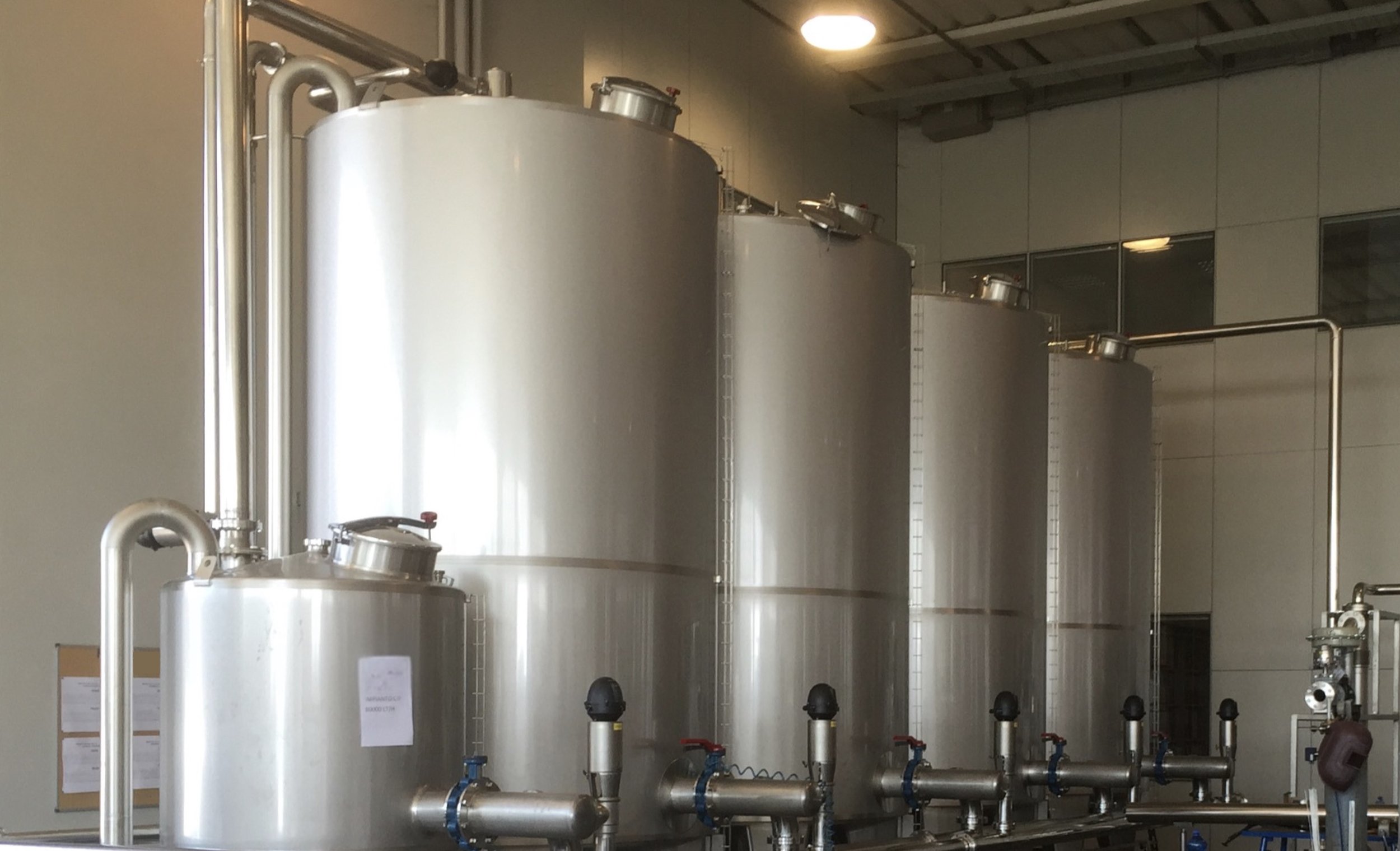
Automatic CIP System
Four years ago, when I was invited to speak at the second annual PACKWINE about adopting change, the conversation centred on mindset. Wine has always evolved, but rarely at the pace seen in other beverage sectors. That gap is closing. Change today is structural, economic and technological. Looking ahead, progress in wine packaging and bottling will not come from within the sector alone. Increasingly, it will be shaped by ideas, technologies and operating models drawn from across the broader beverage and manufacturing landscape. Over 25 years working across wineries, breweries and distilleries in Australia and New Zealand, one pattern has been consistent. Step changes rarely originate in isolation. They tend to come from borrowing, adapting and refining what already works elsewhere. That process is now accelerating.
From bottling lines to production systems
A clear shift is underway in how bottling lines are viewed. Rather than a series of standalone machines, they are being designed and operated as integrated production systems. Breweries, water plants and soft drink facilities have worked this way for decades, building efficiency around automation, line integration and data visibility. Wine is catching up. Modern lines combine rinsing, filling, closure, inspection and rejection into coordinated systems with real-time monitoring. Performance is measured less by output speed and more by overall efficiency, uptime and consistency.
Underlying that is a broader change in mindset. Speed matters less than efficiency. Individual machines matter less than how the system performs as a whole. Capacity alone no longer defines success; margin protection does. Equipment supply is evolving in parallel. A new wave of smaller and mid-sized European manufacturers, often with experience beyond wine, is bringing more f lexible and adaptable solutions to market. Freed from traditional conventions, these suppliers are designing for multiple formats and integrated operation. Meanwhile, some long- established premium suppliers remain more closely aligned with traditional wine formats. While still highly capable, that focus can limit adaptability. In certain cases, newer entrants are proving better suited to modern, multi-format production environments.
Efficiency and versatility in line design
Flat consumption across Australia and New Zealand, combined with softer demand in some segments, is reshaping investment priorities. Growth alone no longer justifies capital spend. Efficiency, labour optimisation and flexibility now carry greater weight. In practice, that shifts the definition of a successful project. Larger and faster does not automatically mean better. Well- integrated, compact lines with strong automation and efficient changeovers often outperform higher-speed systems that lack cohesion. Smaller producers stand to gain the most from this approach. Limited labour availability, shorter production runs and tighter margins leave little room for inefficiency. Building systems that prioritise integration, flexibility and control from the outset can deliver outsized returns without unnecessary complexity.
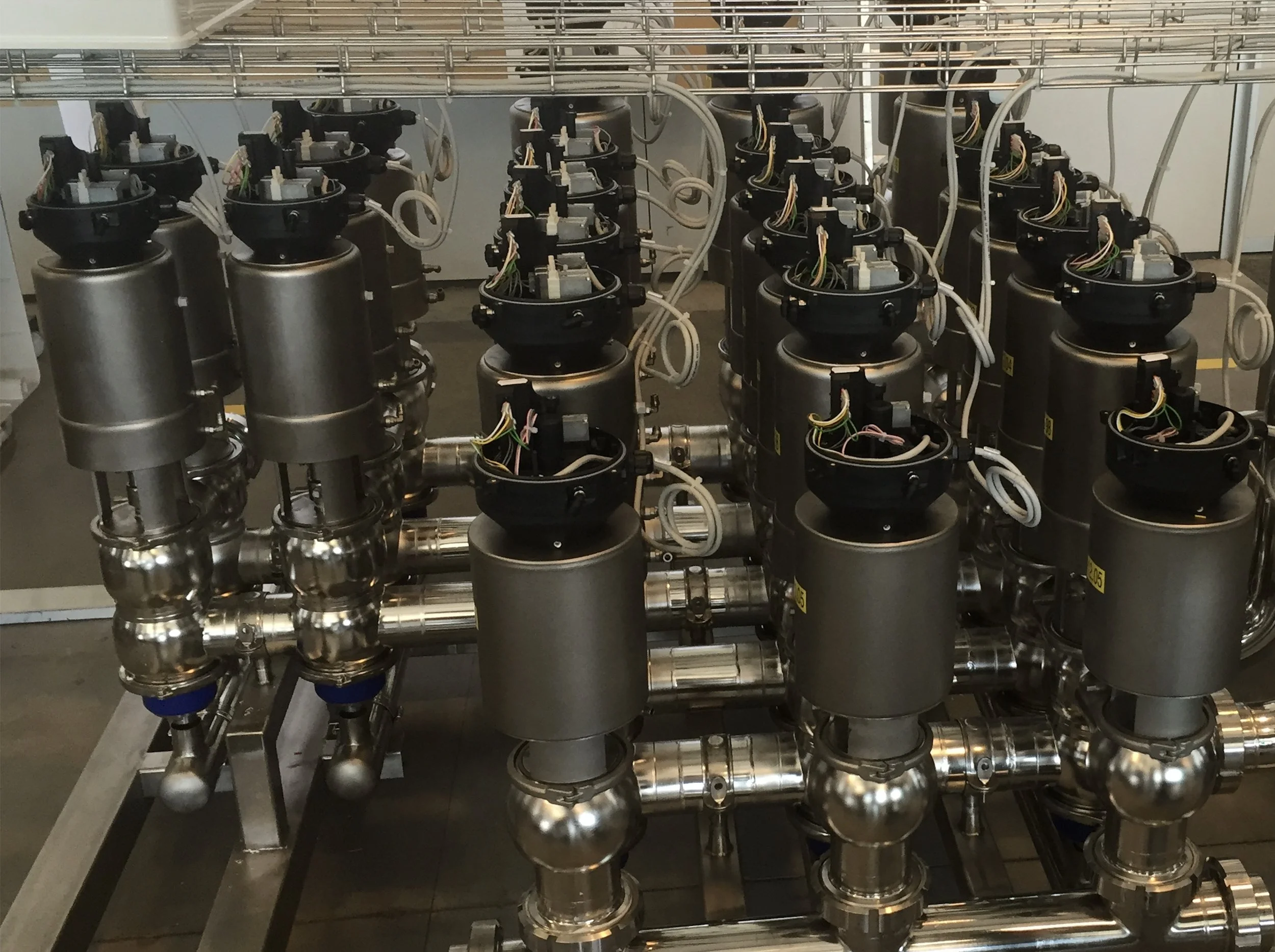
Automatic Mixing & blending Valve Matrix
Targeted automation that delivers
Automation continues to play a role, but the most effective applications tend to be selective. Fully autonomous facilities are rarely the objective. Instead, investment is focused where returns are clear and measurable. End-of-line automation, including case packing and palletising, often delivers rapid payback. Inline inspection reduces rework and export risk. Servo-driven changeovers and universal handling components cut downtime between formats. Results from these targeted upgrades consistently outweigh those achieved by simply increasing line speed. Modular design principles, long established in breweries and large beverage plants, are becoming more common in wineries as a result.
Data, monitoring and remote support
Greater visibility is changing how bottling lines are managed. Real-time data on downtime, micro-stoppages, product loss and performance is now readily available, allowing issues to be identified and addressed quickly. Small inefficiencies that once went unnoticed, such as minor stoppages or extended changeovers, can now be measured and reduced. Over time, these incremental improvements deliver meaningful gains. Experience from other sectors reinforces a simple point. Consistency drives performance. Running smoothly for longer matters more than pushing for higher peak speeds. Remote connectivity is adding another layer. Access to PLCs, HMIs and performance data enables suppliers to diagnose and resolve issues without being on site. For geographically dispersed operations, this capability significantly reduces downtime and reliance on in-person service.

Wine-based Beverage Blend Room
Flexibility over speed
Product diversity has expanded well beyond the traditional 750ml bottle. Cans, kegs, bag-in-box, bagnums and single-serve formats are now part of the mix, alongside growth in spritzes, low- and no-alcohol products and wine- based RTDs. Consumer behaviour sits behind this shift. Convenience, portion control and portability are increasingly inf luencing purchasing decisions, particularly in younger demographics and export markets. Operating across multiple formats introduces complexity. Each requires different handling, filling conditions and shelf-life considerations. Traditional bottling lines were not designed for that level of variation. Single-serve formats highlight the challenge. Ranges such as Poco Vino open new consumption occasions, yet demand tighter control over filling accuracy and oxygen management. Supporting these formats requires a different level of capability. Longer term, format diversification is unlikely to reverse. Flexibility is now central to line design. Quick changeovers, modular components and recipe-driven setup are becoming standard. In many cases, the ability to run smaller batches efficiently carries more value than maximum throughput.
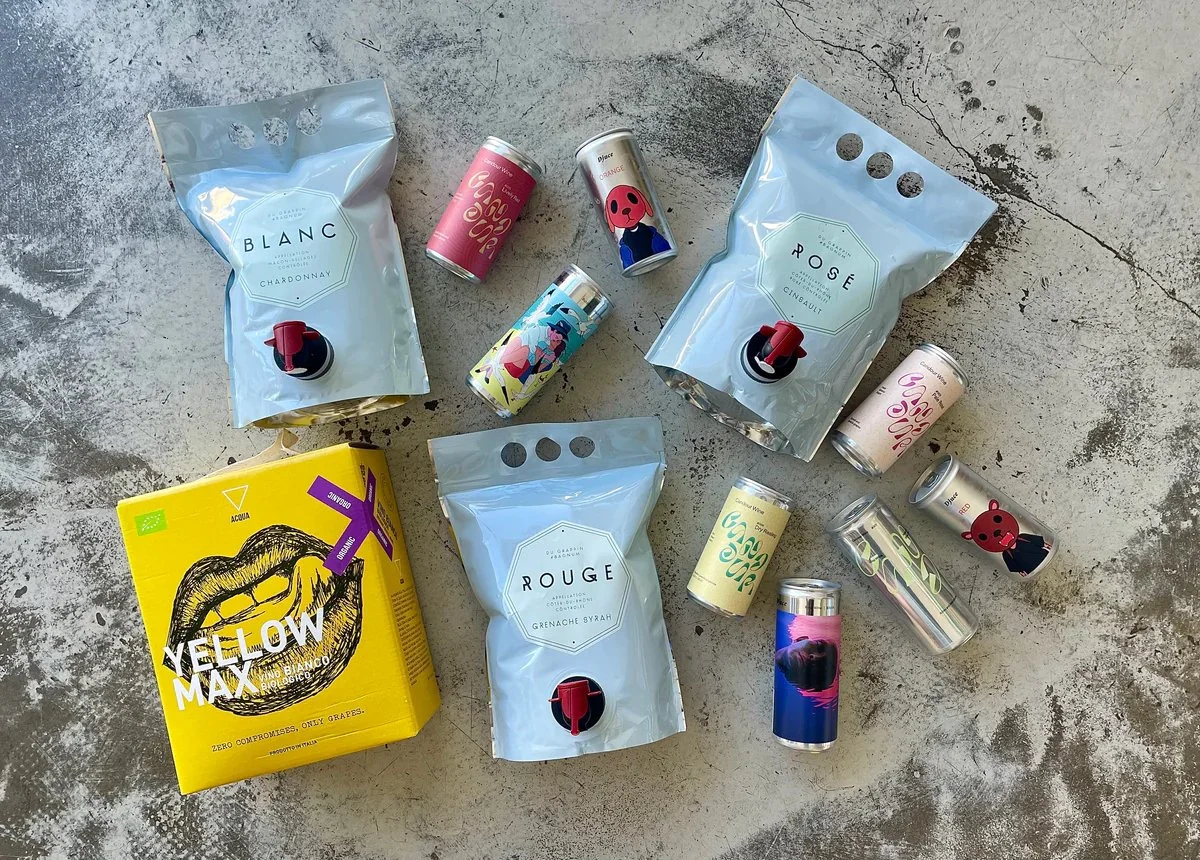
Product diversity has expanded well beyond the traditional 750ml bottle.
Sustainability through better engineering
Sustainability continues to influence packaging decisions, particularly through lightweight glass and alternative formats. Equally important, though less visible, are gains achieved through better engineering. Reducing water use, lowering product loss and improving energy efficiency all contribute to both environmental and financial outcomes. In many cases, the most efficient operation is also the most sustainable. Brand considerations are reinforcing this shift. Environmental performance is increasingly part of the value proposition, influencing how products are positioned and perceived in market.
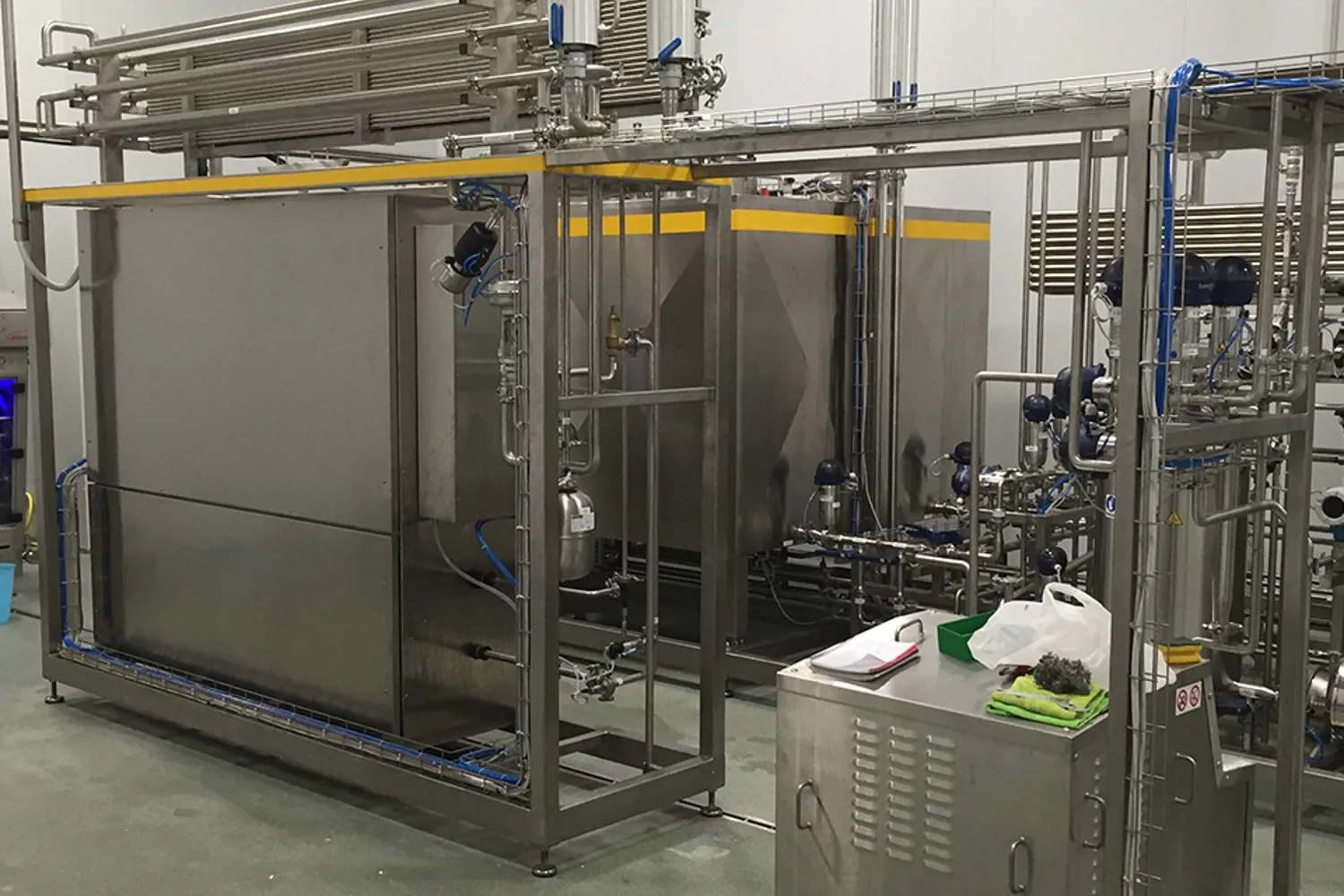
Non-heat Pasteurisation Technology
Water management and CIP
Cleaning systems are receiving greater attention as part of this broader efficiency focus. High water usage has long been a characteristic of winery operations, particularly in sanitation. Integrated Clean-in-Place systems are addressing this. Automated, repeatable cleaning cycles improve consistency while reducing water, chemical use and labour requirements. Adoption is extending beyond processing areas. Packaging halls are increasingly designed as hygienic environments with built-in cleaning capability, reflecting standards seen in dairy and food production.
Processing and packaging converge
Lines between processing and packaging continue to blur. Inline blending, gas management, carbonation, dissolved oxygen control and filtration are increasingly integrated into bottling operations. Fewer handling steps improve consistency and reduce risk. Shifting product styles are accelerating this trend. Low- and no-alcohol wines require stabilisation technologies more familiar in beer and RTDs. Carbonated wine- based products introduce additional complexity around gas management and filling conditions. Cross-industry knowledge is no longer optional. It is becoming a prerequisite for effective system design.
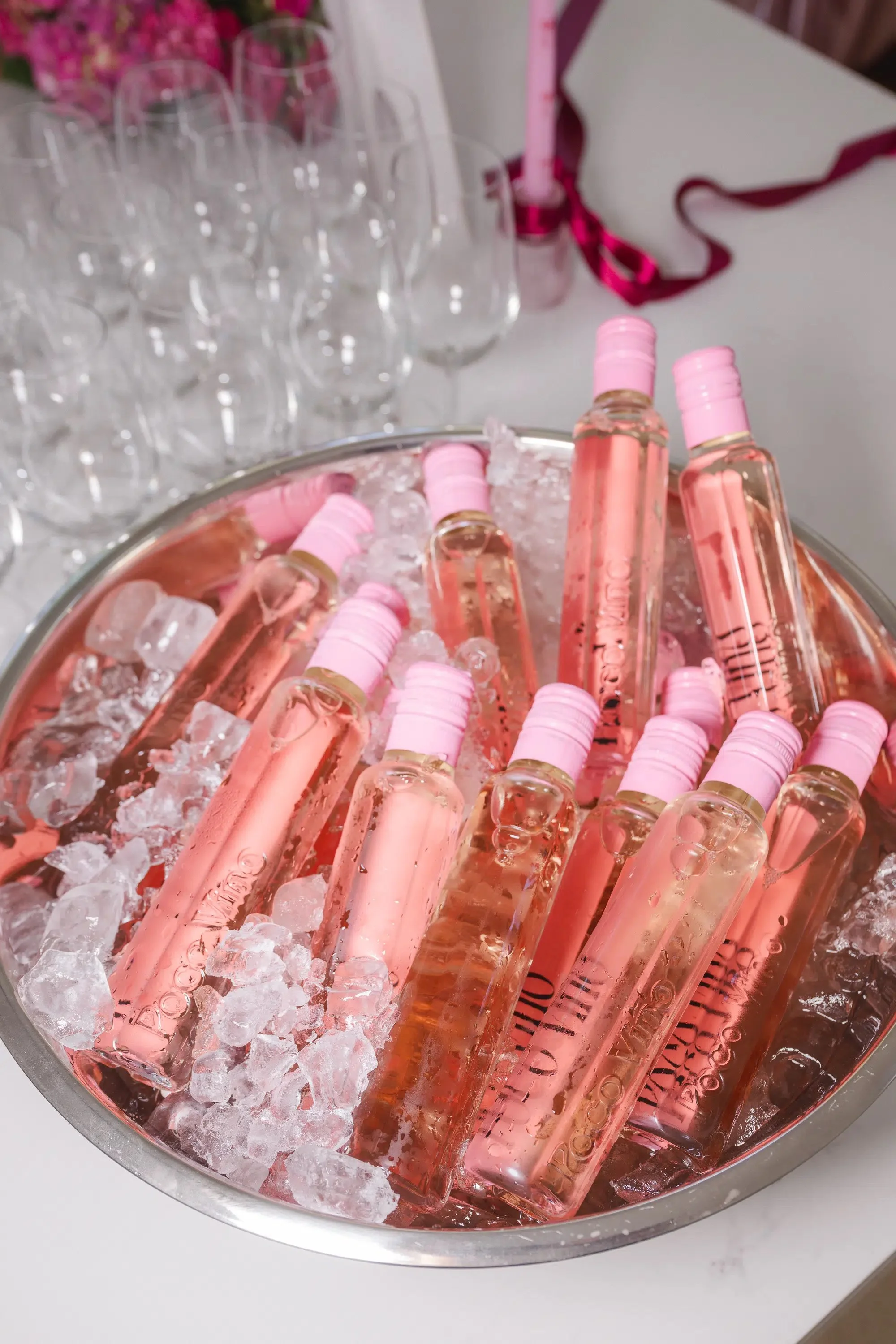
Ranges such as Poco Vino open new consumption occasions, yet demand tighter control over filling accuracy and oxygen management
Looking ahead
Further integration, increased automation and greater reliance on data will define the next phase of development. Multi-format capability will move from advantage to expectation. More important than any single technology, however, is the willingness to adopt ideas from outside the traditional wine sector. Many of the challenges currently being addressed have already been solved in adjacent industries. Progress will depend on recognising that and acting on it.
Conclusion
Performance in wine bottling will be judged less by output and more by
efficiency, flexibility and control. Operations that reduce waste, optimise labour and improve consistency will set the benchmark. Achieving that requires a shift in perspective, from individual machines to fully integrated systems, and from industry-specific thinking to a broader, cross-sector view. Those that make that transition early will be better positioned for what comes next.
Contact Paul Baggio via email: paulb@fbpropak.com or phone: 0412 251 975.